
Technical translation
On energy, infrastructure or automotive projects in Türkiye, Chinese and Turkish engineers need to speak the same language
When Chinese companies take part in power plant, rail, factory installation or automotive supply projects in Türkiye, drawings, technical specifications, test reports and tender documents constantly move between Chinese, Turkish and English. Yeni İpekyolu (New Silk Road) works with translators who have engineering backgrounds and builds a glossary for every project, so design, procurement and site teams all use the same terms.
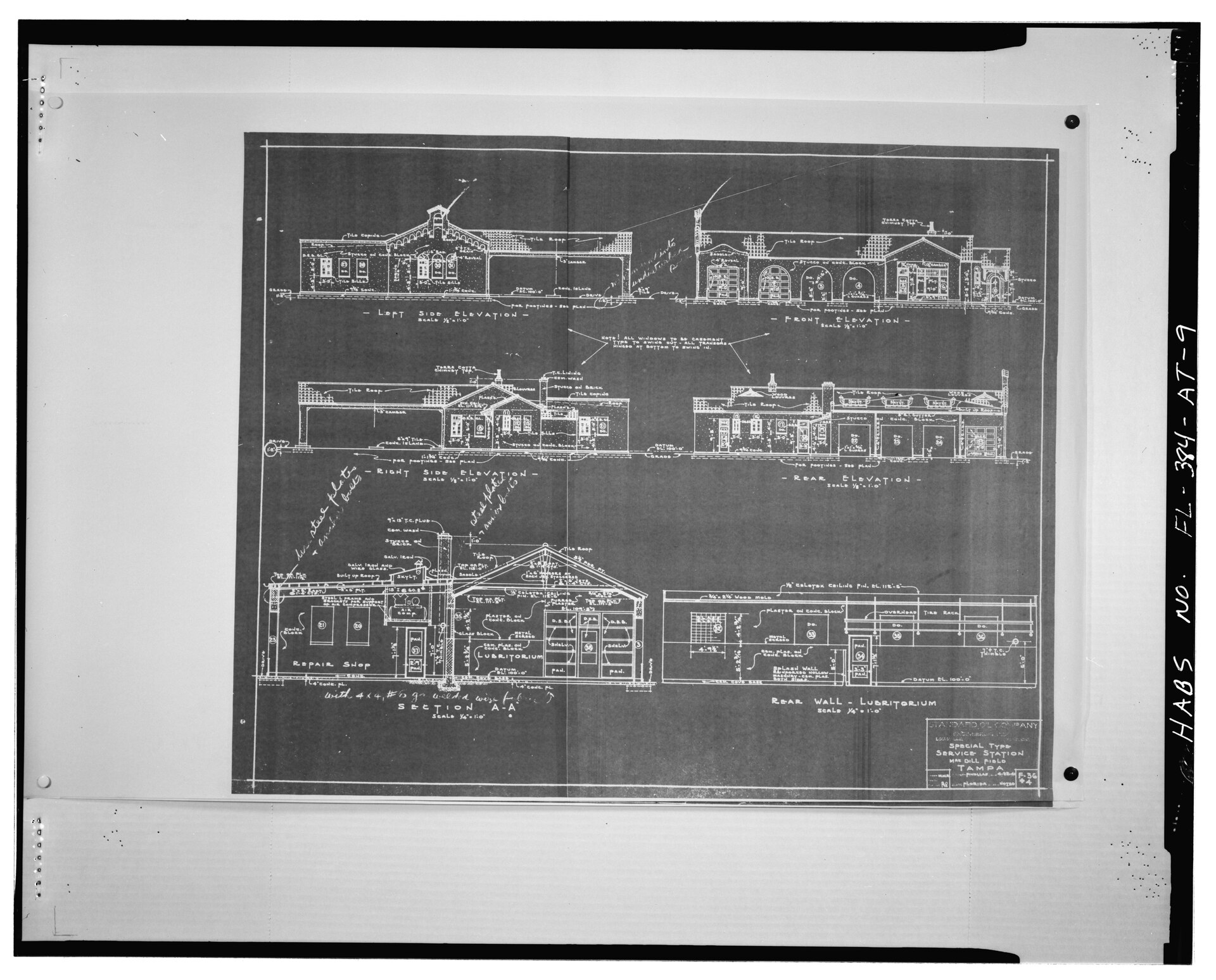
Three-language project communication in energy, infrastructure and automotive
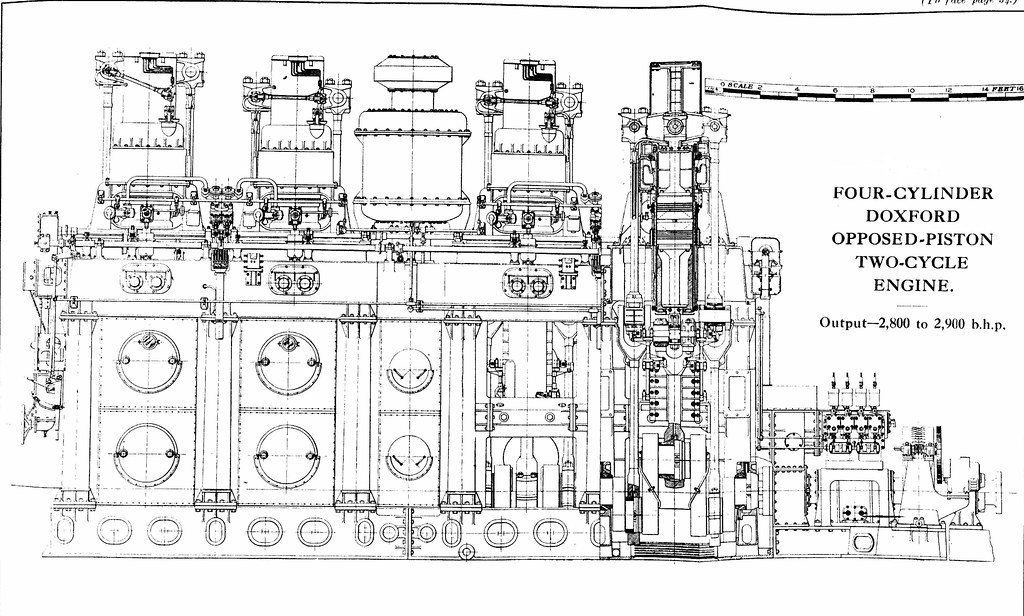
Three different names for the same structural element across three languages
Chinese companies running engineering projects in Türkiye usually deal with three languages: headquarters and the design institute use Chinese, international contracts and some technical correspondence use English, and the Turkish employer, consultant, public bodies and site workers mainly use Turkish. Most misunderstandings arise in the transitions between these three languages. For example, a Chinese method statement is translated into English for the consultant, and the consultant’s Turkish comments are translated back into Chinese; after a few rounds, the same structural element may have several different names.
That is why a project glossary is not an optional extra but a project management tool. At the start of the project, we extract key terms from the contract, drawings and specifications, set fixed Chinese–Turkish–English equivalents and share them with the design, procurement, site and interpreting teams. Once terminology is unified, both approval correspondence and site communication become much smoother.
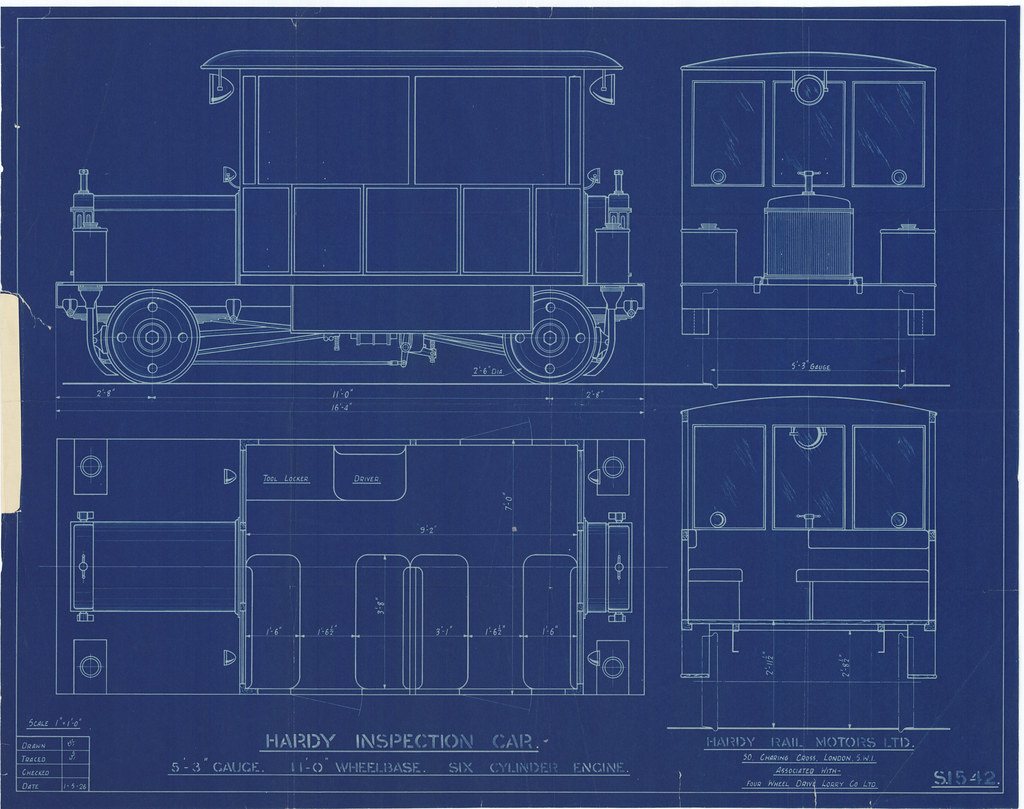
Engineers decide on GB and TS EN equivalence
Türkiye’s technical standards system is broadly aligned with Europe, and many standards are published with TS EN numbers, whereas Chinese companies’ documents are mostly based on GB standards. In translation, we keep standard numbers exactly as they are and never replace them on our own initiative with a “corresponding” European standard, because equivalence is a technical decision. If the employer or consultant asks for an explanation of correspondence, your engineer or the inspection body should provide the conclusion; we translate it accurately.
In addition, in Türkiye there are usually clear rules on the language and format of documents submitted for public projects, energy licences and grid connection; sometimes sworn translation or notarisation is required. Requirements may differ by institution and stage and may change. We recommend consulting the employer or the relevant institution before each stage and confirming current rules with the relevant authority.
In Turkish, “1.500” means one thousand five hundred, not one and a half
The first issue is number format: in Türkiye the decimal separator is a comma, so in a Turkish document “1.500” generally means one thousand five hundred, not one and a half. The second is drawing revisions: the translation of an old drawing may be in use on site while changes in the new version have not been translated. The third is treating tender clarification correspondence as informal communication and failing to submit official translations on time.
In terms of business habits, Turkish employers and consultants generally value formal written communication; it is best to confirm in writing anything agreed verbally. Bilingual minutes are also recommended for the outcomes of site meetings. By providing written translation and on-site interpreting together, we help keep what is said in meetings consistent with what is written in documents.
Send the original CAD and Excel files, not PDFs
On engineering projects, Yeni İpekyolu works with translators who have engineering backgrounds and a fixed review team, delivers continuously in batches, and maintains the project glossary and document version records. When an on-site interpreter is needed, they use the same glossary as the written translation team. Technical decisions, standard equivalence and conformity results are the responsibility of your engineer, the consultant or the inspection body; we take care of accurate communication.
Before starting, prepare technical files in their original format, the project name and employer details, a list of applicable standards, any term list or previous translations, and the delivery schedule. If there are tender deadlines or approval stages, let us know; we plan the team accordingly. Original CAD and Excel files are far better than PDFs for preserving formatting.
Chinese companies setting up sites and bidding for tenders in Türkiye
Energy and power project contractors
Design files, equipment manuals and commissioning records for solar, wind, energy storage and transmission projects. These projects involve grid connection, permitting and acceptance processes, and documents are mostly submitted to the Turkish employer and relevant authorities for review. Consistent terminology from start to finish cuts down on repeated questions from reviewers.
Infrastructure and construction companies
Method statements, quality documents and consultant correspondence for rail, road and bridge, and industrial facility projects. On projects in Türkiye, the consulting engineer usually approves documents in Turkish or English. We help the Chinese team understand approval comments in time and respond correctly.
Automotive and supplier industry
Technical specifications, PPAP files, test reports and 8D reports for supplying Turkish vehicle manufacturers. The automotive sector is very particular about the format and terminology of quality documents. Using established industry wording, we make sure the customer’s quality department understands the text directly.
Companies taking part in tenders in Türkiye
Translation of tender technical specifications, clarification correspondence and technical proposals. Public tenders in Türkiye generally treat the Turkish text as authoritative, and there are rules on how foreign-language documents must be translated. The exact requirements are set by the tender documents and the contracting authority’s interpretation; we prepare accordingly.
Drawings, specifications, test reports and tender files
Drawing translation
Translation of title blocks, notes and legends in DWG/DXF or PDF drawings. The length of translated text is adapted to the drawing area, preventing text from overlapping shapes. In revised drawings, only the changed parts are processed.
Technical specifications
Equipment properties, material requirements, performance values and acceptance criteria. Standard numbers such as GB, EN, TS EN and IEC are kept exactly as they are and are never arbitrarily replaced with an “equivalent standard”. Engineers decide on equivalence; we are responsible for accurate translation.
Test and quality documents
Type test reports, inspection records, quality plans and certificates of conformity. Values, tolerances and conclusion statements in reports are checked one by one. Table structure is preserved, so reviewers can easily compare against the original.
Tender documents
The technical part of the tender file, technical proposals and clarification letters. Tender deadlines are usually short; we plan the schedule backwards from the deadline and deliver in batches. We identify in advance any parts that require sworn translation or notarisation.
Project glossary
A Chinese–Turkish–English glossary, delivered in a form your team can use for a long time. Design, procurement and site teams and on-site interpreters can all use the same glossary. When the project ends, it becomes the foundation for your next project in Türkiye.
Service summary and requirements
| Focus sectors | Energy · infrastructure · automotive · manufacturing |
|---|---|
| Language direction | Chinese ⇄ Turkish ⇄ English |
| Pricing | Per word · drawings per sheet |
| Service languages | Chinese · Turkish · English |
| Cities served | Mainly Istanbul; also Ankara, Izmir and other cities |
The final price and timeline depend on your documents and scope; we send a clear quote within 2 hours.
What you need to provide
- Source technical files (CAD, Word, Excel or PDF; original format preferred)
- Project name, employer and applicable standards
- Term list or previous translations, if any
- Target language and delivery schedule (including tender deadline)
Glossary first, then delivery batch by batch
- 1
Project assessment
The sector, document types, formats and delivery pace are determined. On large projects, documents usually flow continuously, so batch arrangements and response times are agreed at the outset. Which documents will be submitted to Turkish authorities is also clarified.
- 2
Building the glossary
Terms are extracted from existing documents and confirmed with your engineers where necessary. Terms set by the employer or consultant take priority. The glossary is expanded as the project progresses.
- 3
Translation and technical review
A translator with an engineering background translates, and a second translator checks values, units and standard numbers. In Türkiye the decimal separator is a comma; we standardise number formats according to how the document will be used. Places where an error in the source is suspected are flagged and reported to you.
- 4
Delivery in the right format
The layout of drawings and tables is preserved, and editable files are delivered. Care is taken not to break formulas and links in Excel files. A PDF version is provided as well if needed.
- 5
Ongoing updates
The glossary and revised documents are kept up to date throughout the project. The version number and changes of each document are recorded. New team members can refer directly to the glossary, reducing the communication burden.
Frequently asked questions
Can you translate directly in the CAD file?
We can translate text in common DWG/DXF files. If text has been converted to lines or only a scan is available, we deliver an annotation layer or a correspondence table. For better results, please send the original CAD files where possible.
Document volumes on large projects are huge; how is consistency ensured?
We use translation memory and a project glossary, work with a fixed team of translators and carry out centralised review. Documents in different batches carry the same terms. New terms or corrections from you are passed to the whole team at once.
We also need interpreters on site; can that be arranged together?
Yes. The written translation team’s glossary is shared with on-site interpreters, so the same terms are used in meetings and documents. Interpreters can also read project documents in advance to get to know the technical background.
Will the Turkish side accept documents prepared to Chinese (GB) standards?
That depends on the contract, the employer and applicable regulations. Many technical requirements in Türkiye are aligned with the European standards system; the employer or consultant may ask for an explanation of how GB standards correspond to EN or TS EN standards. Engineers or the inspection body assess equivalence; we translate standard names and explanations accurately.
Turkish or English? Which language should project documents be translated into?
English is often used as the working language on international projects; however, documents given to Turkish public bodies, public employers or site workers generally need to be in Turkish. We recommend clarifying the language requirement for each document type with the employer at the start of the project. We translate in the Chinese–Turkish, Chinese–English and English–Turkish directions.
Can site occupational safety training materials and signage also be translated?
Yes. Türkiye has specific legislation and training requirements on occupational health and safety; site signage and training materials generally need to be in Turkish so local workers can understand them. Your occupational safety specialist should approve the training content and compliance requirements; we handle the translation.
Our documents are highly confidential; can we sign a non-disclosure agreement?
Yes. Proposals and design files often contain core technology and pricing strategy; we can sign a non-disclosure agreement and limit access to the project translators only. Files can be transferred via the platform you specify and are deleted on request when the project ends.
Tell us what you need in Türkiye
Our Chinese-speaking consultant reviews it for free and gives you a clear price and timeline.