
Legal & contract translation
Before signing with your Turkish partner, both sides must understand every clause the same way
A difference in meaning in a distribution, lease or employment contract often only comes to light when a dispute arises. Yeni İpekyolu translates Chinese–Turkish contracts with translators who master Turkish legal terminology, prepares parallel texts showing both languages side by side, and supports legal documents such as litigation, arbitration and powers of attorney, helping Chinese companies make clear contracts in Turkey and document their rights.

Reading the same text as your Turkish partner before signing

A verbal understanding is not enough: Turkish law looks at the text
Turkey belongs to the continental European legal system; courts and arbitrators place great weight on the text itself when interpreting a contract. Many Chinese companies working with Turkish partners start with relationships and verbal understandings, then discover, when payment is delayed or the market changes, that the clauses differ from what they understood. An accurate translation lets Chinese management see every obligation and risk before signing.
In addition, Turkey has regulations on the use of Turkish in domestic commercial activities, and many Turkish companies and institutions are used to relying on the Turkish text. That is why the common practice is to sign a bilingual Chinese–Turkish or English–Turkish contract and specify in the language clause which text prevails. Your Turkish lawyer should recommend how to structure it based on the specifics of the transaction.

A penalty clause under Turkish law is not the same as 违约金 in China
The hardest part of contract translation is not vocabulary but conceptual differences. For example, "cezai şart" (penalty clause) is usually translated into Chinese as 违约金, but whether it can be reduced and how it can be claimed may differ from the understanding under Chinese law; likewise, "kıdem tazminatı" (severance pay) in employment law cannot be equated with 经济补偿金 in China. We choose the most suitable Chinese equivalent and add an explanatory note where needed; we do not force a Chinese term to fit.
Likewise, procedural clauses such as the competent court, arbitration clause and method of service may look like boilerplate, but in a dispute they determine where, in which language and how quickly you will reach a resolution. In translation, we give these clauses as much care as the main provisions. A lawyer should decide whether a clause is reasonable and whether it needs to be changed.
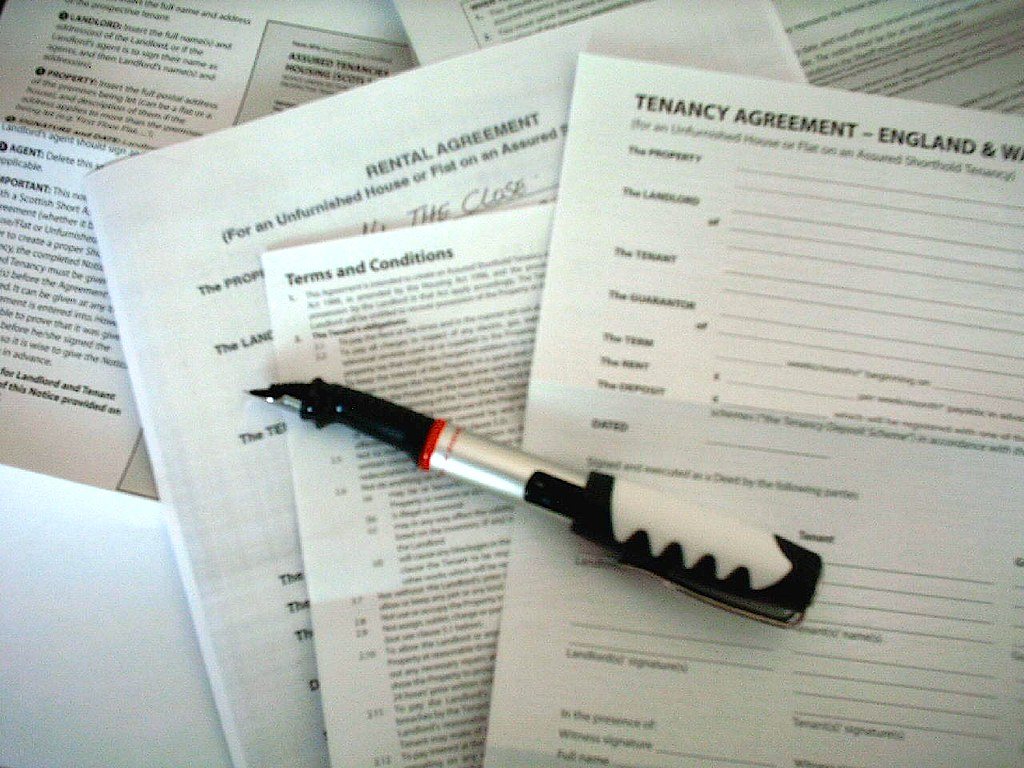
Annexes, version mismatches, English drafts: three overlooked points
The first is translating only the main contract and neglecting the annexes, even though the focus of a dispute is often the price list, technical specification or delivery plan in the annexes. The second is the Chinese and Turkish texts falling out of sync after several rounds of negotiation, so that at signing the parties are not actually holding the same text. The third is assuming that the English text provided by the Turkish partner is the final one, whereas the text submitted or notarized in Turkey is the Turkish one.
In addition, Turkish business culture values face-to-face communication and long-term relationships; the pace of negotiation may be slower than in China and revisions more frequent. We recommend keeping a version number and change log for each round of revisions. Throughout the negotiation, we keep the bilingual text continuously updated so both sides are always looking at the same version.
Translation from us, legal opinions from a licensed lawyer
Yeni İpekyolu takes on the translation, the bilingual layout, interpreter support for powers of attorney at the notary, and language communication with your lawyer. Whether the contract is in your favor, its legal compliance and litigation strategy are decided by a lawyer licensed in Turkey. We can work alongside the lawyer you appoint and translate the lawyer's written opinions for head office.
Before starting, prepare an editable file of the contract, all its annexes, the correct names of the parties and the signing or submission date. If there is earlier correspondence or previous versions, share those too; they help us understand the background and unify terminology. Let us know about short-deadline projects in advance; we split them into sections across several translators and check them from a single source.
Companies that will sign contracts with a Turkish party
Chinese brands looking for Turkish distributors
In exclusive distribution, agency and territorial rights contracts, pricing, return and termination clauses must be clear. Turkish law may have special rules on matters such as compensation after the end of an agency relationship; the wording of a clause directly affects the risk. We render every clause accurately; your Turkish lawyer assesses whether it is in your favor.
Companies leasing a factory or office in Turkey
Deposit, renewal and rent increase terms in the lease must be rendered in a way Chinese management truly understands. Leases in Turkey may be in Turkish lira or foreign currency; the increase method and renewal rules may be subject to legal limits. In the translation, we present these figures and terms clearly and understandably.
Employers with Turkish staff
Employment contracts, staff regulations and confidentiality agreements must fit local practice and be understandable to head office HR. Turkish employees usually expect a Turkish text, while head office needs a Chinese text to make decisions. A bilingual text ensures both sides understand the same document in the same way.
Parties in litigation or arbitration
Translation of case files and evidence before Turkish courts or institutions such as the Istanbul Arbitration Centre (İSTAC). Litigation and arbitration usually involve strict submission deadlines; timely delivery matters as much as translation quality. We plan the schedule backwards from the deadlines your lawyer gives.
Translation areas, from commercial contracts to arbitration documents
Commercial contracts
Sales, distribution, agency, joint venture, license and service contracts. We pay particular attention to payment terms, delivery terms, liability and dispute resolution clauses. The Chinese text is kept close to the language of commercial contracts in China, to ease management's approval process.
Lease and employment law documents
Lease and employment contracts, non-compete and non-disclosure (NDA) agreements. Concepts in Turkish employment law such as the probation period, notice and severance pay (kıdem tazminatı) are not identical to their Chinese counterparts; they should be explained correctly rather than forced into a Chinese term. Where needed, we note the difference in a translator's note.
Litigation and arbitration documents
Statements of claim and defense, judgments, requests for arbitration, evidence and correspondence. Messages, emails and invoices submitted as evidence can also be translated with their sources indicated. Translations submitted to court usually need to be sworn translations; your lawyer determines the exact requirement.
Power of attorney
Powers of attorney for a Turkish lawyer or representative, together with sworn translation and notarization. When foreigners who do not speak Turkish sign a power of attorney at a Turkish notary, an interpreter usually needs to be present. We can provide a Chinese interpreter to accompany you for this procedure.
Parallel text layout
Chinese and Turkish clauses are aligned, making negotiation and signing easier. Clause numbers, definitions and references to annexes are kept identical in both languages. In negotiation, both parties can point to the same clause while talking, reducing misunderstandings.
Confidentiality
A non-disclosure agreement can be signed; only the project translators have access to the documents. Files can be transferred by the method you choose and are deleted at your request when the project ends. Information about undisclosed transactions is never used for any other purpose.
Service summary and requirements
| Delivery format | Single-language or parallel text |
|---|---|
| Language pairs | Chinese ⇄ Turkish / English |
| Pricing | Per word · notary separate |
| Service languages | Chinese · Turkish · English |
| Cities served | Mainly Istanbul; also Ankara, Izmir and other cities |
The final price and timeline depend on your documents and scope; we send a clear quote within 2 hours.
What you need to provide
- An editable file of the contract (preferably Word; a scanned document is fine too)
- The full names of the parties and the translations used for them
- Which language version will prevail
- For litigation or arbitration, the case number and deadlines
- Whether a sworn translation or notarization is needed (you can ask your lawyer)
Four stages from understanding the context to the final text
- 1
Understanding the transaction context
The contract type, the parties, the governing law and which language version prevails are clarified. We also ask whether the translation will be used for internal information, negotiation or official signing. The translation approach and delivery format change according to the purpose.
- 2
Terminology mapping
A Chinese–Turkish glossary is prepared for key terms such as penalty clause, competent court and force majeure. The glossary can be shared with and approved by your lawyer. It is also used for supplementary protocols and correspondence in the same project.
- 3
Translation and legal editing
A legal translator translates, and a second translator compares the text with the original clause by clause. The check prioritizes figures, dates, party names and negative expressions. Ambiguous points in the original are flagged separately; you and your lawyer make the decision.
- 4
Revisions and final text
Changes from negotiation are updated in both languages; the final text is submitted for notarization if needed. A change log is kept for each round of revisions, making comparison easier. Before signing, both language versions are checked once more from start to finish.
Frequently asked questions
Do you give legal opinions?
We provide legal translation, not legal opinions. We recommend having a Turkish lawyer review whether the clauses are in your favor and whether they comply with Turkish law. We work with your lawyer and translate their views for Chinese management.
If the parallel contract versions differ, which text prevails?
That depends on the language clause in the contract. If the contract has no such provision, interpretation can become complicated in a dispute. We recommend clearly stating which text prevails; we pay special attention to this clause in the translation.
What kind of translation is needed for documents submitted to a Turkish court?
Usually a sworn translation, and in some cases notarization; an apostille may also be requested for foreign documents. Confirm the court's translation format and deadline requirements with your lawyer. We prepare the documents accordingly and deliver on time.
Can a contract with a Turkish company be signed only in Chinese or English?
Turkey has regulations on the use of Turkish in domestic commercial transactions, and the validity and scope of contracts in a foreign language may be interpreted differently in practice. That is why many companies prefer to sign bilingual contracts in Turkish and a foreign language. Your Turkish lawyer should decide how to structure it based on the specifics of the transaction.
Can you help us understand a contract prepared by a Turkish lawyer?
Yes. We translate the Turkish contract into Chinese in full and, where needed, add explanatory notes on legal concepts specific to Turkey. If you have a question about a clause, we convey it accurately to the lawyer and translate the answer. The legal assessment of the clauses remains the lawyer's responsibility.
The contract is long and time is short; can it be translated in sections?
Yes. We usually translate the most critical clauses in the negotiation first, namely payment, liability, termination and dispute resolution, followed by the remaining sections. When several translators work on it, the same glossary is used for consistency. Let us know the signing or submission date as early as possible.
Do you need to accompany us when signing a power of attorney at a Turkish notary?
If you do not speak Turkish, the notary usually requires an interpreter to convey the content of the document to you orally. We provide a Chinese interpreter and translate the draft power of attorney into Chinese in advance for your approval. The exact requirements regarding the interpreter may vary by notary's office.
Tell us what you need in Türkiye
Our Chinese-speaking consultant reviews it for free and gives you a clear price and timeline.