Website translation
Let Turkish customers find you when they search, and read your site in their own language
Turkish buyers and consumers usually search in Turkish when looking for suppliers; a site available only in Chinese or English is hard to find. Yeni İpekyolu (New Silk Road) translates your corporate or brand website into natural Turkish, researches the keywords local users actually search for, and supports publishing details such as hreflang, meta tags and privacy texts.

Does your site show up in Turkish searches?

Turkish buyers look at your site first, then write to you
When a buyer in Türkiye finds a new supplier, the first thing they usually do is look at its website. If the page is only in Chinese or in broken English, it becomes hard to evaluate your products, certificates and contact details, and it raises concerns about what further communication will be like. A Turkish site is not decoration but the basis for local customers believing you are truly present in this market. Purchasing managers, especially at SMEs, vary in their level of English; native-language content noticeably lowers the threshold for reaching you.
Search is another important reason. Turkish users usually type product names and industry terms into search engines in Turkish; for example, they use the word “tedarikçi” (supplier) or the product’s local name. Without Turkish pages, your site hardly ever appears in these results. For a site to be found locally, translation must go hand in hand with keyword research.
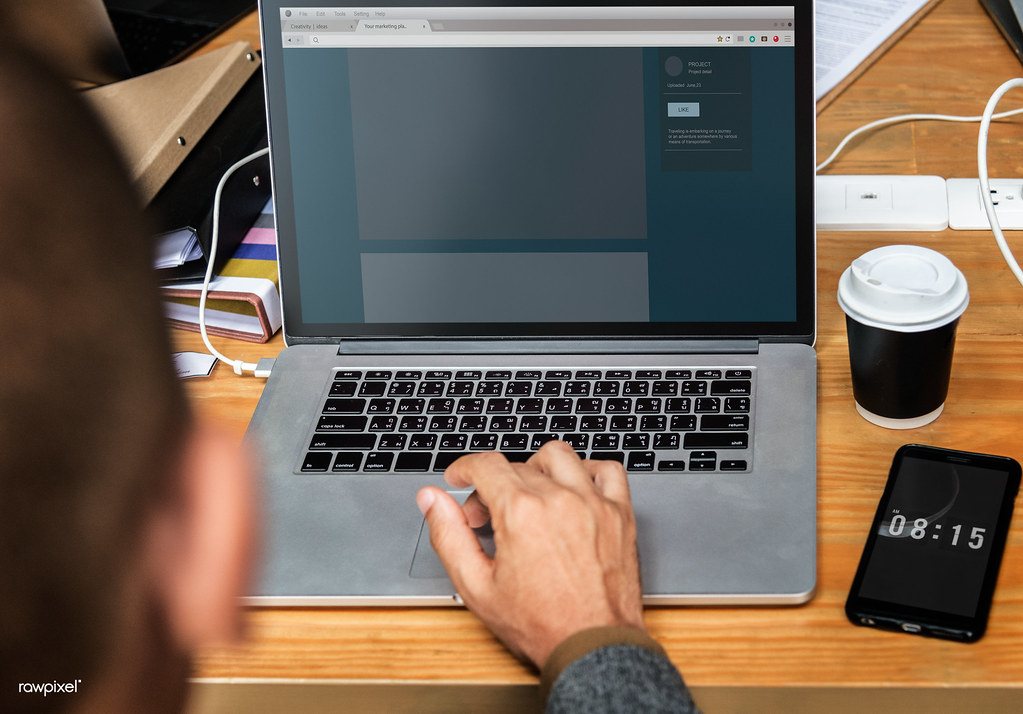
Translation via XLIFF or CSV, page-by-page checks in a staging environment
The first step is defining the scope: all pages are exported, and key pages (home, products, contact) are separated from secondary pages. In the second step, a term list and keyword list are created, and fixed spellings for the brand name, product names and industry terms are set. Translation begins only in the third step, preferably directly in the site’s admin panel or in exported XLIFF and CSV files to avoid formatting loss.
After translation, pages should be reviewed one by one in a staging environment. Because Turkish words are long, button text may be cut off and menus may shift; this is not visible in an Excel sheet. Finally, hreflang tags, the language switcher and form submission are checked, and if everything is correct, the site goes live.

A Chinese phone number, prices in yuan and a copied privacy policy
The most common problem is a site prepared in Chinese and transferred into Turkish directly with machine translation; the result is stilted sentences and muddled terminology. Another problem is translating only the text while leaving a Chinese phone number, Chinese address format and prices in yuan; Turkish customers don’t know how to get in touch or place an order. Some companies also translate the privacy policy straight from the Chinese version without having a Turkish lawyer review it with regard to KVKK (Türkiye’s personal data protection law).
In addition, direct communication and personal trust matter in Turkish business culture. It is good to have a local phone or WhatsApp contact on the site and to state that communication in Turkish is possible. Details like these often bring in more quote requests than a flashy design.
Sample Turkish competitor sites help us set the tone
Yeni İpekyolu handles translation, Turkish keyword research, format localisation and pre-launch checks, and can explain settings such as hreflang to your developer. Your Turkish lawyer carries out the compliance review of legal texts; we support communication and comparative translation. After launch, we can translate new content monthly to keep the Chinese and Turkish versions on a par.
Before starting, prepare the site address, admin panel access or an export file, information on your target audience and a list of brand names that should not be translated. If there are Turkish competitor sites you look to as examples, share them too; they help us set the tone. The clearer the scope, the more accurate the price and delivery time.
Manufacturer, branch and e-commerce sites that Turkish customers need to find
B2B manufacturers expanding into the Turkish market
When product pages, the company profile and the quote form are in Turkish, local buyers are more willing to contact you. Even if Turkish buyers know English, they prefer to compare technical specifications and terms in their own language. A clear Turkish quote page often determines whether that first email arrives at all.
Companies opening a branch in Türkiye
Turkish pages with contact, careers and local service information are prepared for the Turkish subsidiary. Local employees, customers and business partners often verify your presence in Türkiye through your website. Writing the address, phone number and working hours according to Turkish conventions makes your company look more trustworthy.
Brand and e-commerce sites selling to Turkish consumers
Product details, the checkout flow, the returns policy and support pages should read like a local site. Turkish consumers pay close attention to information such as returns, instalments and delivery times; vague wording directly affects purchases. We translate these pages in the language commonly used on local e-commerce sites.
The whole site, Turkish SEO, KVKK texts and launch support
All site content
Page text, menus, buttons, form descriptions and error messages are translated. On many sites only the main text is translated; buttons and error messages are forgotten, and users run into Chinese or English text when they take an action. We extract every string according to the page structure, ensuring no text without a Turkish version remains in the interface.
Turkish SEO
Keyword research, page titles, meta descriptions, URLs and image alt text are prepared. The words Turkish users search with are often different from a literal translation; the established industry term may be a foreign word or an abbreviation. We first pin down the target keywords, then place them in titles and descriptions.
KVKK privacy notice and cookie texts
The privacy notice, cookie notice and terms of use are translated; reviewing KVKK compliance is generally your Turkish lawyer’s job. KVKK is Türkiye’s personal data protection law, and the content of these texts and the obligations they involve are legal matters. We ensure accurate translation and can liaise with your lawyer on terminology.
Technical implementation support
Support for setting up hreflang, the language switcher and the /tr/ subdirectory; a separate .com.tr domain is generally not needed. We explain the tags to be added and the page structure to your developer. Your technical team or site provider handles implementation; we check whether the language versions are correctly matched.
Post-launch updates
News, new products and blog posts are translated monthly, keeping the Turkish version up to date. If the Turkish version isn’t updated for a long time, customers may think you have withdrawn from the market. Because the same term list is used, wording stays consistent across new and old pages.
Service summary and requirements
| Turnaround | Phased, depending on page count |
|---|---|
| Pricing | Per word · SEO and technical support extra |
| Language direction | Chinese / English → Turkish |
| Service languages | Chinese · Turkish · English |
| Cities served | Mainly Istanbul; also Ankara, Izmir and other cities |
The final price and timeline depend on your documents and scope; we send a clear quote within 2 hours.
What you need to provide
- Site address and admin panel access, or an export file (XLIFF, CSV, JSON); translation is done directly in this format
- Target audience: B2B buyers or end consumers; tone and word choice are set accordingly
- Competitor or example Turkish sites
- List of brand and proper names that should not be translated
Analysis, keywords, translation and pre-launch checks
- 1
Site analysis
Share the site address and export method; we extract the pages to be translated and clarify the scope. We separate the pages that must be translated from those that can be postponed (such as old news). Once the scope is clear, we provide a price and a phased delivery plan.
- 2
Keywords and terms
Turkish keywords are researched for your products, and the spelling of brand and product names is agreed with you. Whether the brand name will be written in pinyin, English or a Turkish equivalent should be decided before translation. This term list is used throughout the site and in later updates.
- 3
Translation and localisation
Translated via XLIFF, CSV or the admin panel; date, phone and address formats are adapted for Türkiye. In Türkiye, dates are usually written as “day.month.year”, phone numbers start with +90, and address order is the reverse of Chinese. These details make the page look genuinely local.
- 4
Launch check
Overflow, line breaks and links are checked page by page in the staging environment, after which the site goes live. Turkish text is usually longer than Chinese; buttons and headings may be cut off. If we see problems, we shorten the translation or send layout suggestions to the developer.
Frequently asked questions
Do I need a .com.tr domain?
Generally, no. Opening a /tr/ directory under your existing domain and setting hreflang correctly is usually enough for search engines to recognise the Turkish version. If you want to use .com.tr for branding reasons, confirm the registration conditions and current rules with the relevant authority.
Can I use the KVKK text you translated as is?
We ensure the translation is accurate; however, whether the text complies with KVKK is a legal assessment, and we recommend having your Turkish lawyer review it before publishing. A direct translation of a Chinese or European privacy policy does not always fully match the requirements in Türkiye. Once your lawyer approves the content, we can align the Turkish and Chinese versions with each other.
Couldn’t we just do the whole site with machine translation?
Machine translation often produces stilted phrasing and the wrong keywords, harming both trust and rankings. Turkish readers easily spot machine translation, and B2B buyers may question the company’s professionalism as a result. For large numbers of pages, AI pre-translation and human review can be combined; for the home page and product pages, we recommend fully human translation.
Is a rise in rankings guaranteed after translation?
No, it cannot be guaranteed. Rankings depend on many factors such as competition, the site’s technical condition and external links. Our contribution is to build a solid foundation for search engines and users by making sure Turkish content is prepared with the right keywords and a clear structure.
How long does website translation usually take?
Time depends on the number of pages, the file format and whether keyword research is needed. We usually deliver key pages such as home, products and contact first, then complete the others in phases. After reviewing the site, we provide a clear schedule.
Our site was built on custom software; can you work with it?
Yes. As long as a file such as JSON, CSV, XLIFF or PO can be exported, we translate it directly while preserving code and variables. If export isn’t possible, we can translate online through an admin account. We recommend letting us check page by page in a staging environment before launch.
Should I show prices in Turkish lira?
E-commerce sites selling to Turkish consumers usually show prices in Turkish lira, while B2B sites frequently quote in dollars or euros. Consult your accountant on pricing, invoicing and tax requirements. We make sure prices, currency symbols and number formats are written according to Turkish conventions.
Can I have only part of the site translated?
Yes. Many companies first have the home page, core product pages and contact page translated to test the Turkish market. Care should be taken not to link from translated pages to many untranslated ones; otherwise the user experience feels disjointed. We can help you plan the scope of the first-phase pages.
Tell us what you need in Türkiye
Our Chinese-speaking consultant reviews it for free and gives you a clear price and timeline.