Consecutive interpreting
Sentence-by-sentence interpreting at key moments, so both sides fully understand
In consecutive interpreting, the speaker talks for a segment and the interpreter then renders it; this is ideal for sensitive moments such as negotiations, contract signings, notary procedures, court statements or dinner speeches. Yeni İpekyolu (New Silk Road) interpreters work directly between Chinese and Turkish, conveying every sentence accurately in meeting rooms, factories, notary offices and courts across Türkiye.

Meetings where every sentence at the table counts
Notary, negotiation, signing: where sentence-by-sentence interpreting fits
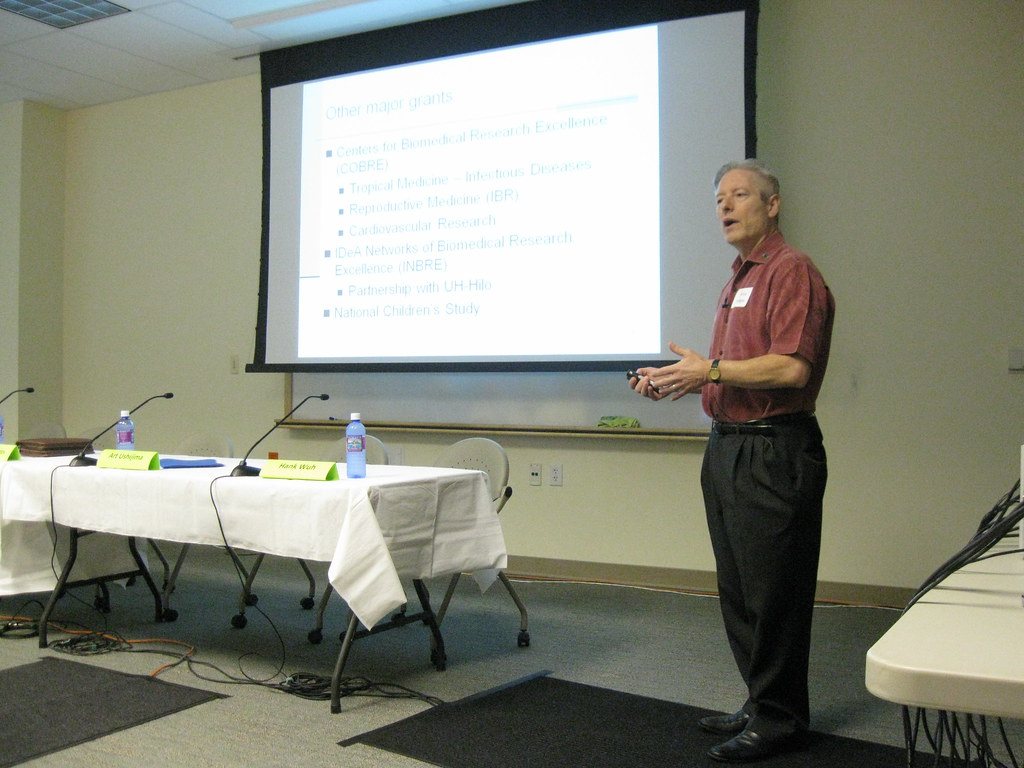
Consecutive interpreting is the best method when there are few participants but every sentence matters. In negotiations, contract signings, notary procedures and lawyer meetings, the parties want to be sure exactly what the other side has said; sentence-by-sentence interpreting gives them time to think and ask questions. Unlike simultaneous interpreting, it needs no booths or headsets and can take place in a meeting room, a factory office or even at the dinner table. The trade-off is time: the meeting takes noticeably longer for the same content.
In Türkiye, notaries play an important role in many transactions, such as powers of attorney, vehicle sales and certain contracts. For a foreigner who does not speak Turkish, the notary usually requires a sworn translator to be present and the document's content to be interpreted orally. Courts are different: the interpreter at a hearing is usually appointed by the court, and we mainly provide support for lawyer meetings and pre-hearing preparation. We recommend confirming current requirements with the relevant institution.
Warm words from the Turkish side do not mean agreement
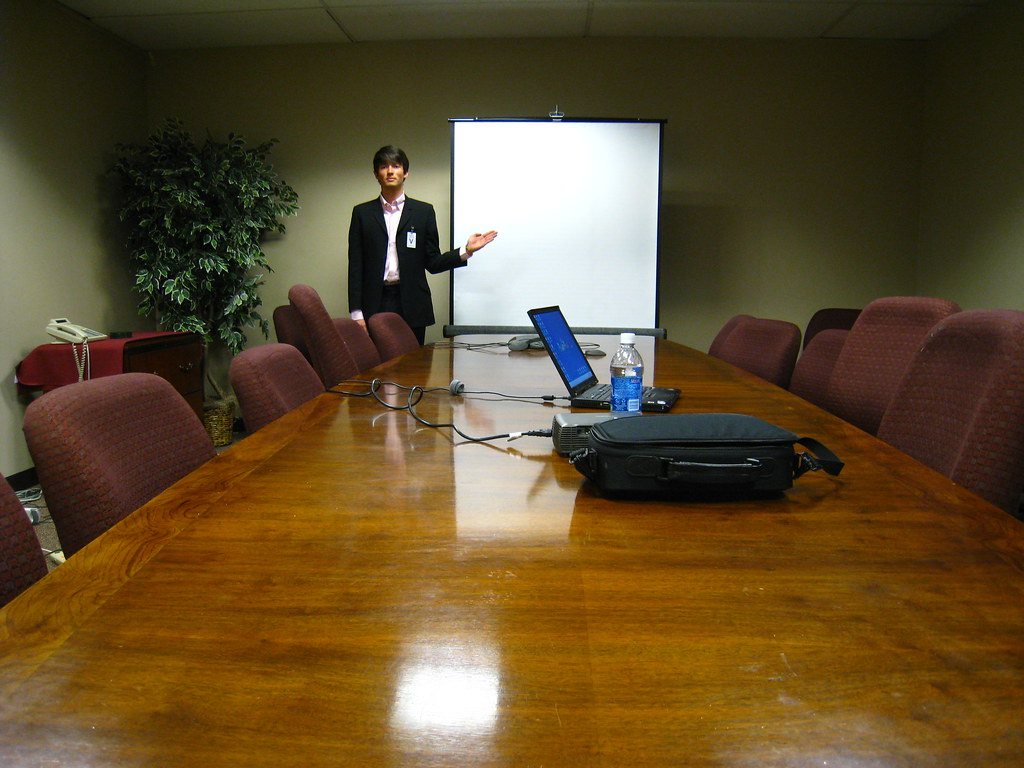
Turkish business culture puts relationships and mutual respect first. Meetings usually begin with conversation and tea, and the other side may ask about your journey, your family or your impressions of Türkiye. This is not wasted time but a trust-building process. Bargaining is common and the first offer often includes a margin; if the Chinese side reveals its lowest price too early, there is no room to manoeuvre later.
Another common misunderstanding stems from communication style. The Turkish side may show interest in warm, positive language, but this does not mean they accept the terms. Conversely, indirect Chinese expressions such as “let us consider it a little more” may be read by the Turkish side as almost a yes. A good interpreter points out these differences without changing the meaning and explains them to you after the meeting.
4 practical rules for before and after the meeting
Before the meeting, send the interpreter the agenda, price quotation, draft contract and product information, and state your objectives and any information that must not be shared. When speaking, keep each segment to a few sentences and pause once you complete a thought, so the interpreter can convey it completely and accurately. Writing figures, dates and model numbers on paper makes it easier for both sides to check them.
At the end of the meeting, we recommend spending a few minutes checking critical outcomes together, such as price, quantity, delivery date and next steps. We can prepare a meeting summary in Chinese for your report to headquarters. Remember that verbal agreements should be finalized in a written contract, and the legal validity of contract clauses should be reviewed by a Turkish lawyer.
Who needs consecutive interpreting most?
Companies negotiating with Turkish firms
Prices, delivery times and contract terms are negotiated, and every figure must be conveyed accurately. Consecutive interpreting gives both sides time to think and respond, and makes it easy to interject to confirm details. Turkish businesspeople value face-to-face communication, and sentence-by-sentence interpreting also conveys warmth and sincerity.
People completing notary procedures
When foreigners who do not speak Turkish sign a power of attorney or contract at a notary, a sworn translator is usually required to be present. The notary expects the content of the document to be interpreted to you orally and your understanding to be confirmed. Specific requirements may vary according to the notary's practice.
Parties to litigation or arbitration
Lawyer meetings, witness statement preparation and accompaniment to hearings. In legal settings, statements must be completely accurate, as ambiguity can affect your rights. We interpret under your lawyer's guidance and do not give legal opinions.
Organizations hosting receptions and signing ceremonies
Speeches, toasts and formal addresses call for apt and elegant interpreting. In these settings, observing the etiquette of both countries matters as much as accuracy. The interpreter reviews the text in advance and renders Chinese courtesy formulas into expressions a Turkish audience will find natural.
Interpreting scope from negotiations to signing ceremonies
Negotiation interpreting
Before the meeting we learn the background and your limits, and during the negotiation the tone and details are conveyed accurately. The interpreter does not make decisions on your behalf, but will draw your attention to the other side's implications. You can call a break at any time if you need to confer among yourselves.
Notary interpreting
We ensure that a sworn translator registered with the notary is present during the procedure and interpret the document's content orally. Before signing, the scope of authority and key clauses are explained one by one. If a written translation is needed, it can be prepared in the same process.
Interpreting in legal settings
Interpreting for lawyer meetings, mediation and accompaniment to hearings, with full confidentiality. The interpreter at a hearing is usually appointed by the court; we mainly provide support during the out-of-court preparation stages. Legal assessment is carried out by the Turkish lawyer you have instructed.
Speech and ceremony interpreting
Speeches at signing ceremonies, openings and dinner receptions. We obtain the speeches in advance and confirm the renderings of names, titles and institution names. In formal settings, the interpreter's attire and position are also arranged according to protocol.
Post-meeting notes
On request, the main points of the meeting and action items are summarized in Chinese. The summary lists agreed points and still-open issues separately. This makes reporting to headquarters and follow-up easier.
Service summary and requirements
| Pricing | Hourly, half-day or full-day quotation |
|---|---|
| Booking | Usually 2–3 days in advance; urgent requests considered |
| Language pairs | Chinese ⇄ Turkish / English |
| Service languages | Chinese · Turkish · English |
| Cities served | Mainly Istanbul; also Ankara, Izmir and other cities |
The final price and timeline depend on your documents and scope; we send a clear quote within 2 hours.
What you need to provide
- Date, venue and estimated duration
- Background, agenda and participants of the meeting
- Any relevant contract, document or product information
- Passport and relevant documents for notary or court
Describe the setting, and the interpreter arrives prepared
- 1
Describe the setting
Share the time, place, participants and subject of the meeting. If it is a notary or legal procedure, state the type of procedure and the name of the institution. Based on this, we determine which type of interpreter is needed.
- 2
Interpreter matching
An interpreter suited to your sector and setting is selected and the quotation is approved. A sworn translator is assigned for notary procedures. Once approved, the interpreter's time is reserved.
- 3
Preparation
The interpreter reviews the materials and, if needed, holds a short briefing with you. You can tell the interpreter which information is sensitive and which topics are priorities. Sending documents such as contracts in advance is helpful.
- 4
On-site interpreting
The interpreter arrives at the agreed time and provides consecutive interpreting throughout the meeting. At the end, key figures and outcomes can be briefly checked together. A written summary is prepared if needed.
Frequently asked questions
Does consecutive interpreting make meetings longer?
Yes. Because each segment is interpreted, the meeting usually takes noticeably longer than a monolingual one. For large, time-constrained meetings, simultaneous interpreting is more suitable. When planning your schedule, we recommend allowing enough time for meetings with consecutive interpreting.
Can I use my own interpreter in court?
The interpreter at a hearing is usually appointed by the court, and the court decides whether your own interpreter will be accepted. We can provide interpreting for lawyer meetings and pre-hearing preparation, and accompany you to the extent the court permits. We recommend confirming the details with your lawyer.
Will the negotiation content remain confidential?
Yes. Our interpreters follow professional confidentiality rules, and a non-disclosure agreement (NDA) can be signed if required. Meeting materials are deleted or returned at the end of the service, as you request.
Is a sworn translator always required at a notary?
When a foreigner who does not speak Turkish signs at a notary, the notary usually requires a sworn translator to be present. A sworn translator is one who has taken an oath and registered with a notary. Exact requirements depend on the notary handling the procedure; we confirm this in advance.
Will the interpreter negotiate on my behalf?
No. The interpreter's role is to convey both sides' words accurately, not to represent either party. However, they can brief you on the other side's business habits before the meeting and on the tone and implications of their remarks afterwards. You decide the negotiation strategy.
How do Turkish businesspeople approach negotiations?
In Türkiye, business meetings usually start with conversation and tea; jumping straight to price can come across as cold. Bargaining is common and the first offer often includes room for flexibility. Verbal commitments matter, but we still recommend putting critical terms in writing in the contract.
Can you interpret between Chinese, Turkish and English?
Yes. Some of our interpreters can switch between Chinese, Turkish and English, which suits meetings attended by a third party. Trilingual meetings move more slowly, and you need to specify in advance which party will use which language. If needed, two interpreters are assigned to share the work.
Is it possible to find an interpreter on the same day?
It depends on interpreter availability; same-day requests within Istanbul can sometimes be accommodated. Last-minute arrangements are harder for notary and legal procedures because of qualification requirements. We recommend contacting us at least two to three days in advance.
Tell us what you need in Türkiye
Our Chinese-speaking consultant reviews it for free and gives you a clear price and timeline.