
Sworn translation
A valid Turkish translation of your Chinese documents for procedures in Turkey
Göç İdaresi (the Presidency of Migration Management), notaries, tax offices, banks and courts generally accept only translations signed by a sworn translator. Yeni İpekyolu's sworn translators translate directly from Chinese into Turkish and can take the translation to a notary the same day, so your residence, company formation or banking procedures are not turned down because of your documents.

Why isn't a Chinese agency stamp enough in Turkey?
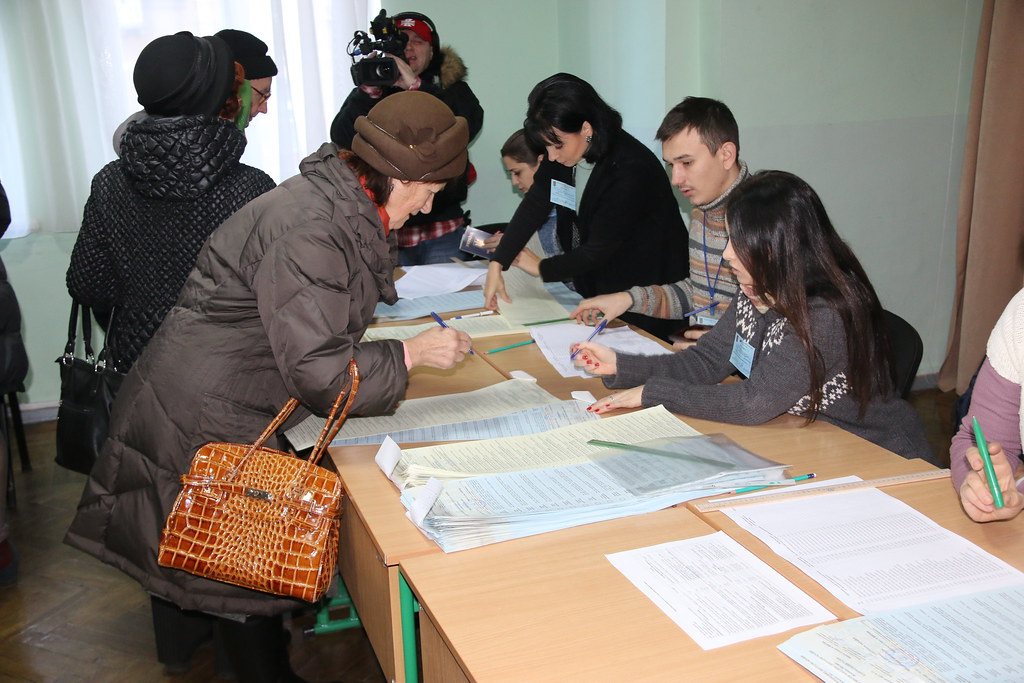
Sworn translator's signature and notarization: the two parts of an official translation
In Turkey, a sworn translator is a translator who has taken an oath at a notary's office and registered their signature with that notary. For a translation they translate and sign, the notary can certify the translator's signature (notarization); most official institutions accept only translations in this form. In short, an "officially valid translation" in Turkey usually consists of two parts: the sworn translator's signature and the notary's certification.
This differs from China's system of translation company stamps. In China, many institutions accept the stamp of an authorized translation company; in Turkey, however, Göç İdaresi, the land registry, courts, tax offices and notaries themselves usually require a notarized sworn translation. If you arrive with a translation prepared in China or a document bearing a company stamp, you will usually be asked to have a new sworn translation made in Turkey.
The order since November 2023: apostille, sworn translation, notary
The Apostille Convention (the convention abolishing the requirement of legalization for foreign public documents) has been in force for China since 7 November 2023, and Turkey is also a party to it. As a result, for documents issued in China and used officially in Turkey, such as birth certificates, notarial marriage certificates, criminal records and business registrations, an apostille is usually obtained in China first; the old consular legalization is no longer needed. The apostille must be obtained in the country where the document was issued; it usually cannot be completed after arriving in Turkey.
The general order is as follows: first, if required, a notarial certificate and apostille are obtained in China, and the original document is brought or sent to Turkey; the sworn translator translates the document into Turkish together with the apostille page, and finally notarization is done. Remember that the apostille page must also be translated. Institutions have different requirements on document validity periods; for example, there is usually a time limit for criminal records. For current requirements, follow the institution that will receive the document.
A name that differs from the passport by a single letter gets the document rejected
The first issue is inconsistent name spelling. The romanized spelling of the Chinese name in the translation, including the order of given name and surname, must match the passport exactly; if you have a residence card or tax number in Turkey, it must also match the spelling there. Even a single-letter difference can cause the document to be rejected or additional explanation to be requested. The second is back-and-forth trips: many people have the translation done first, then realize the original document has no apostille and have to send it back to China.
The third is not knowing exactly what the receiving party wants. For the same power of attorney, the land registry, a bank and a court may have different requirements; some institutions want the translation attached to the back of the original, others want one original and several certified copies. That is why it is best to confirm with the institution before the procedure and, if possible, obtain a written list. When powers of attorney and company documents have legal consequences, the content itself should be reviewed by a licensed lawyer in Turkey; we provide the accurate translation.
A scan showing all four corners, your passport name and the deadline
Yeni İpekyolu's sworn translators translate directly from Chinese into Turkish without English as an intermediary language, reducing loss of information. After translation, a second translator checks names, dates and numbers, and then we arrange the notarization. Seals, signatures and tables are marked according to their positions in the original, making the official's check easier. A PDF is sent first for your approval, and the wet-signed copy is couriered or collected from the office.
What you need to prepare: a clear scan or photo of the document showing all four corners, the romanized name in your passport, the name of the receiving institution and, for official documents from China, the apostille. Notarization usually requires the original document or a certified copy; we tell you this in advance. The notary fee is charged by the notary according to its own tariff and is calculated separately. If you are short on time, tell us your deadline right at the start.
Chinese nationals handling residence, company, title deed or driving license procedures
Residence permit applicants
Documents such as birth certificates, marriage certificates and criminal records are translated into Turkish, notarized and submitted to Göç İdaresi. Official documents from China usually also require an apostille first. For the exact document list, follow Göç İdaresi's current requirements.
Chinese companies setting up a company in Turkey
The parent company's business registration, board resolution and power of attorney are usually mandatory for registering the Turkish company. These documents usually go through notarization and apostille in China and are then prepared in Turkey with sworn translation and notarization. Lawyers or financial advisors handle the legal procedures of company formation; we do the translation.
People buying or renting a home
For a title deed transfer, the passport translation and power of attorney usually need to be sworn translations. If the buyer does not speak Turkish, a sworn translator usually also has to be present during the land registry procedure. We can provide both the written translation and on-site interpreting.
People obtaining or converting a driving license
Using or converting a Chinese driving license in Turkey usually requires a notarized Turkish translation. Conversion requirements and documents may change. Confirm current requirements with the relevant authority.
Sworn translation and notarization for identity, company and power of attorney documents
Identity and civil status documents
Passport, ID card, hukou (household registration), birth/marriage/divorce certificates, criminal record. The nature of China-specific documents such as the hukou is explained in Turkish. Names are kept identical to the romanized spelling in the passport.
Company documents
Business registration, articles of association, shareholder and board resolutions, bank reference letters. The company name and unified social credit code are kept consistent. Suitable for setting up a company or branch in Turkey.
Power of attorney
Turkish translation of a power of attorney signed in China, for authorizing a lawyer or representative in Turkey. Expressions defining the scope of authority are translated with exact equivalents, leaving no ambiguity. We recommend having a Turkish lawyer confirm first that the power of attorney meets your needs.
Notarization
We take the translation to a Turkish notary and have the sworn translator's signature certified. You do not need to go to the notary yourself. The notary fee is calculated separately according to the notary tariff.
Preserving the original layout
Seals, signatures and tables are marked in the original layout, making the official's check easier. The apostille page is translated as well. Handwritten and illegible parts are indicated as they are.
Digital + printed delivery
First a PDF for your approval, then the wet-signed copy by courier or collected from the office. Official applications usually require a printed notarized copy. If you need several copies, tell us in advance.
Service summary and requirements
| Delivery time | Standard 1–2 business days |
|---|---|
| Pricing | Per document or per page · notary fee separate |
| Language pairs | Chinese ⇄ Turkish / English |
| Service languages | Chinese · Turkish · English |
| Cities served | Mainly Istanbul; also Ankara, Izmir and other cities |
The final price and timeline depend on your documents and scope; we send a clear quote within 2 hours.
What you need to provide
- A clear scan or photo of the document (all four corners visible)
- The romanized spelling of your name in your passport (to match the translation)
- The receiving institution (e.g. Göç İdaresi, notary, land registry)
- Official documents from China usually need an apostille obtained in China first
PDF approval first, then notarization and wet-signed delivery
- 1
Send the document
Send a clear scan/photo via WeChat or email and tell us which institution it will be submitted to. We first check whether the document needs an apostille. If the institution has a document list, send that too.
- 2
Price and timeline approval
A fixed price and delivery time within 2 hours; WeChat Pay and Alipay accepted. The notary fee is stated separately. Mention urgent requests at the start.
- 3
Translation and checking
A sworn translator translates, and a second translator checks names, dates and numbers. Unclear points are checked with you first. Once everything is correct, we move on to the notary stage.
- 4
Notary and delivery
If notarization is required, we arrange it and deliver the wet-signed document to you. Notarization usually requires the original document or a certified copy. If the institution has questions after delivery, we help with explanations.
Frequently asked questions
What is the difference between a sworn translation and a regular translation?
A sworn translation is made and signed by a translator who has taken an oath before a Turkish notary and, once notarized, is accepted by official institutions; a regular translation is only for understanding the content. A certified translation stamped by a translation agency sits between the two and is suitable for procedures with no notary requirement.
Does my document from China need an apostille first?
China is a party to the Apostille Convention, which has been in force for China since 7 November 2023; for Chinese documents to be used officially in Turkey, an apostille is usually obtained in China. The apostille is obtained in China and usually cannot be completed after arriving in Turkey. The receiving institution sets the exact requirement; you can consult us first.
I'm not in Turkey; can I still have it done?
Yes. The translation can be done from a scan; however, notarization usually requires the original document or a certified copy, and we explain how to send it. Once complete, we can send the notarized document to the address you specify in Turkey or to your representative.
Can a translation made in China be used in Turkey?
It generally cannot be used directly at Turkish official institutions. In Turkey, a translation made by a local sworn translator and certified by a Turkish notary is usually required. A notarial certificate obtained in China (if apostilled) can be used as the original document and translated into Turkish in Turkey.
Does a notarized translation have a validity period?
There is usually no uniform validity period for the translation itself; however, many institutions set a time requirement for the original document, for example that a criminal record or certificate of single status was issued within a certain period. If the original document expires, the translation cannot be used either. For current requirements, follow the institution that will receive the document.
How many notarized copies are needed for one document?
It depends on how many institutions you will submit the document to and whether they keep the original. For example, separate copies may be needed for a residence application and a bank account. Getting several certified copies from the start usually saves time compared with having them made again later.
How fast can an urgent job be done?
For standard documents such as passports and ID cards, translation and notarization can usually be completed within 24 hours. The notary's working hours and workload affect the timing; notary procedures usually cannot be done on weekends and public holidays. For multi-page or complex documents, the timeline is given separately.
Does a translator need to be present when signing at the land registry or a notary?
If you do not speak Turkish, a sworn translator usually needs to be present and interpret during a title deed transfer or when signing a power of attorney at a notary. The relevant institution sets the exact requirement. We can arrange a sworn translator to accompany you and explain the process in advance.
Tell us what you need in Türkiye
Our Chinese-speaking consultant reviews it for free and gives you a clear price and timeline.