Institutional meeting coordination
Meetings with Turkish ministries, institutions and chambers start with a well-written request letter
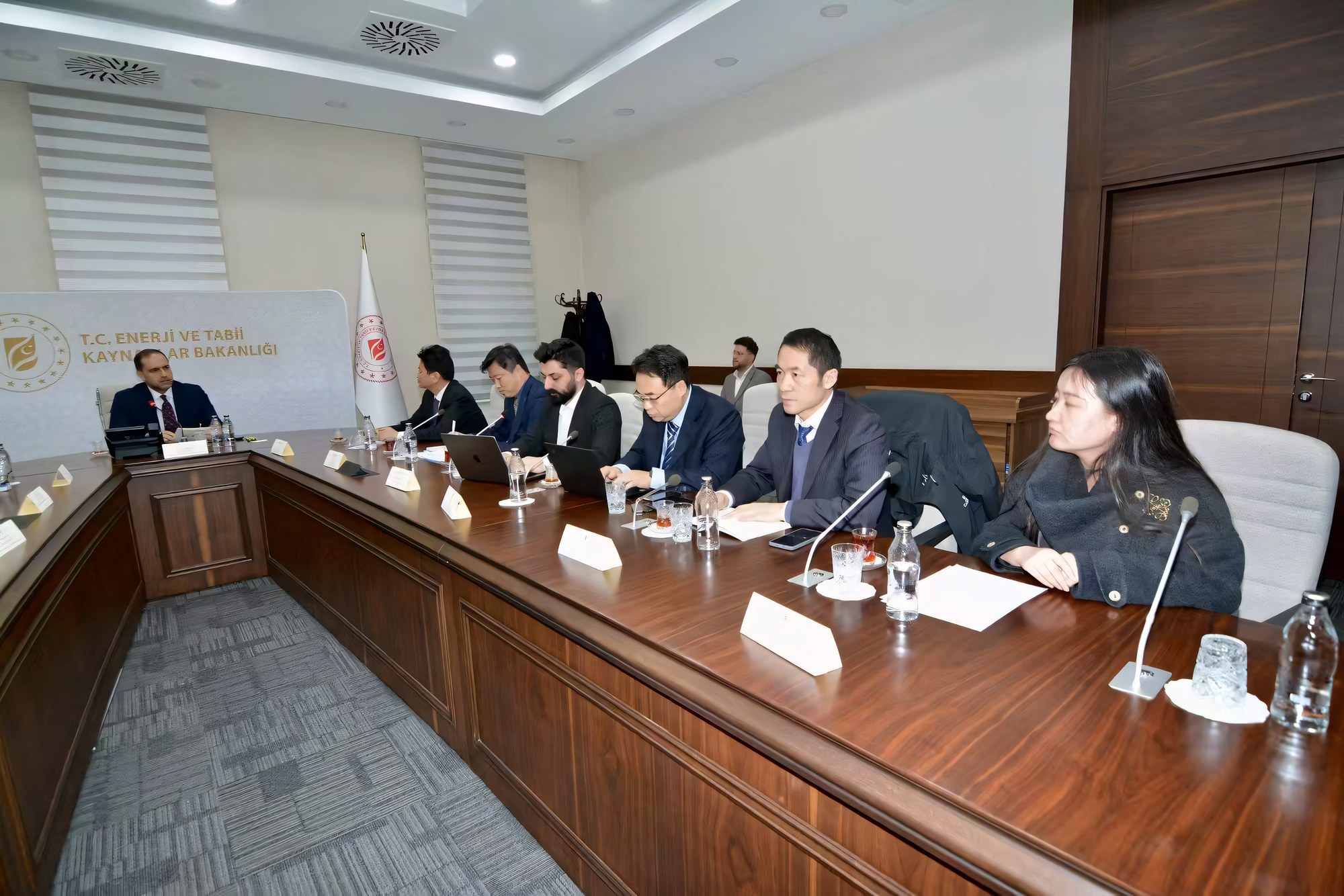
Chinese companies and institutions wishing to meet Turkish ministries, governorships and municipalities, investment agencies, chambers or China's diplomatic missions in Türkiye often do not know whom to approach, how to write the letter or how to organize the meeting. Yeni İpekyolu (New Silk Road) handles the correspondence, agenda communication, protocol order, pre-meeting briefing, meeting interpreting and the minutes afterwards, so both parties can spend their time on what really matters. We have coordinated ministerial meetings and meetings with the Chinese consulate.
Request letter, briefing, minutes: how to work with Turkish public institutions
Four things a meeting request letter must make clear
When Turkish public institutions receive a meeting request, they usually first assess who the visitor is, what they want to discuss and which unit should handle it. An email that simply says "we would like to visit" often goes unanswered. A request letter should generally state clearly: the visiting organization and its background, the participants and their titles, the specific topics to be discussed, and possible date and time windows.
It is best for the letter to be in Turkish with an English or Chinese version attached; in formal cases, a stamped letter or one signed by an authorized person is usually preferred. Some institutions require official email or an electronic correspondence channel, while others prefer an introduction through a chamber or an intermediary body. We choose the channel based on each institution's practice and follow up on the reply; the exact procedure depends on each institution's own rules.
The difference between ministry, chamber and consulate meetings
Meetings at ministry and governorship level are usually more formal and shorter; they are often limited to mutual introductions and an intention to cooperate, with technical matters referred to the relevant directorate general or sub-unit. Meetings with chambers and industry associations are more flexible; specific company lists, trade fairs and matchmaking events can be discussed. Investment agencies are interested in information such as investment size, employment and project timeline, so a short, clear file should be prepared in advance.
Meetings with China's embassy or consulates in Türkiye follow a different rhythm: Chinese companies usually go to share information, seek guidance or raise issues they are facing in Türkiye. These meetings also require an appointment in advance, and a company introduction and talking points should be prepared. We can support the preparation of materials and, where needed, coordinate subsequent communication with the Turkish side.
Why is the pre-meeting briefing more decisive than the interpreter?
In a forty-minute official meeting, once greetings, introductions and interpreting time are taken out, the time left for the actual topic is quite limited. If the Chinese representative learns about the host institution's duties and latest policy priorities for the first time in the meeting, it becomes hard to ask targeted questions. We prepare a briefing before the meeting: the institution's remit, the participants' backgrounds, topics likely to come up and expressions best avoided.
The interpreter also receives this briefing and the Chinese side's talking points, preparing in advance for proper names and terminology. Consecutive interpreting is usually used in official meetings; we recommend breaking speeches into segments and keeping sentences short. We also remind the Chinese side to prepare a Turkish or English company introduction and business cards; Turkish officials usually pass materials on to the relevant unit after the meeting.
"Follow up within a week": the practical habit that moves cooperation forward
Many meetings end with "let's stay in touch," but if no one takes on the follow-up, the process easily stalls. After the meeting, we prepare Chinese minutes, list the contact persons named by the other side, documents to be added and next steps, and draft Turkish thank-you and follow-up emails. Staff changes are common in Turkish institutions; a written record helps communication continue when your counterpart changes.
It should be noted that the meeting itself does not constitute an approval, permit or policy commitment. On investment incentives, permits or legal matters, a lawyer or certified public accountant (mali müşavir) licensed in Türkiye should advise, and the relevant institution's official response should be relied upon; our job is communication coordination and accurate interpreting.
Chinese parties who will meet Turkish official institutions or chambers
Chinese companies planning to invest in Türkiye
Companies that need to discuss a project idea with investment agencies, organized industrial zones or local governments. We help prepare a short project presentation and arrange the meeting. On incentives and permits, the institution's official response is what counts.
Chinese-owned companies operating in Türkiye
Companies that need to discuss a specific business matter with the relevant institution, chamber or industry association. We help clarify the issue and find the right counterpart unit. We provide an interpreter at the meeting and prepare minutes afterwards.
Visiting public and institutional delegations
Delegations wishing to meet Turkish ministries, governorships or public institutions during their visit. We manage the request letter, protocol order and the meeting day. This can be combined with our delegation organization service for the entire visit.
Companies that need to meet Chinese missions
Companies wishing to share information about their activities in Türkiye or raise issues they have encountered. We support the preparation of materials and appointment coordination. Subsequent communication with the Turkish side can also be coordinated when needed.
What we handle before, during and after the meeting
Identifying the right institution and channel
We determine which ministry, directorate general, chamber or association to approach based on the topic. We choose the right route among an official letter, an introduction or a chamber channel. We make sure the request does not go to a unit without authority.
Request letter and correspondence
We prepare the Turkish request letter and its Chinese counterpart. We follow up on replies and align dates and participants. All correspondence is archived in both languages.
Agenda and protocol order
We agree the agenda, speaking order, seating and photo arrangements with the other side. Titles are communicated with accurate explanations. A gift presentation can also be planned if needed.
Pre-meeting briefing
We summarize the institution's remit, the participants' backgrounds and possible topics. We point out expressions and cultural details to watch. We help the Chinese side prepare short talking points.
Meeting interpreting
Official meetings usually use Chinese-Turkish consecutive interpreting. The interpreter prepares in advance with the materials and terminology. Chinese-English-Turkish support can be provided when needed.
Minutes and follow-up
Chinese minutes, contact persons and a follow-up list are prepared. Turkish thank-you and follow-up emails are drafted. Support continues in subsequent communication.
Service summary and requirements
| Counterparts | Ministry · local government · chamber · diplomatic mission |
|---|---|
| Interpreting mode | Usually consecutive interpreting |
| Deliverables | Correspondence · briefing · minutes |
| Service languages | Chinese · Turkish · English |
| Cities served | Mainly Istanbul; also Ankara, Izmir and other cities |
The final price and timeline depend on your documents and scope; we send a clear quote within 2 hours.
What you need to provide
- Purpose of the meeting and specific agenda items
- Participant list, titles and names as in passports
- Company or institution profile (better if a Turkish or English version exists)
- Suitable date range and the institutions you wish to meet
How does an institutional meeting unfold, step by step?
- 1
Clarifying goals and agenda
We discuss what you expect from the meeting. We assess the appropriate institution and level. If needed, we suggest starting at the chamber or association level first.
- 2
Sending the letter and follow-up
The Turkish request letter is sent and followed up. Suitable dates and participants are aligned. Once confirmation arrives, you are informed of the final status.
- 3
Meeting preparation
The briefing, talking points and bilingual materials are prepared. The interpreter prepares for the content. Protocol order and arrival time are confirmed.
- 4
Meeting day
A coordinator accompanies you and the interpreter works throughout the meeting. Key points and the other side's requests are noted. Last-minute changes to participants or timing are handled.
- 5
Minutes and next steps
Chinese minutes and a follow-up list are prepared. Thank-you and follow-up emails are sent. A second round of meetings is planned if needed.
Frequently asked questions
Can an ordinary Chinese company arrange a meeting with a Turkish ministry?
It can be possible, but it depends on the agenda, the company's background and the other side's schedule. The more specific the topic and the more closely it relates to the institution's remit, the better the chance of a reply. In most cases, meeting the relevant directorate general or sub-unit first is more realistic. We cannot guarantee that the meeting will take place.
Can the request letter be in Chinese?
We recommend that the main text be in Turkish, with a Chinese or English version attached. Turkish public institutions generally conduct correspondence in Turkish. Sending a letter only in Chinese often slows the process down.
How long does it usually take from the letter to the meeting?
It varies widely. Chambers and associations usually respond faster; ministerial and senior-level meetings take longer and may be confirmed close to the date. We recommend allowing enough time and preparing alternative dates.
Can specific incentive or permit matters be discussed in the meeting?
They can be raised, but statements made in a meeting usually do not constitute an official commitment. For incentive conditions and permits, the institution's written response and the legislation in force apply. For legal or tax assessments, consult a lawyer or certified public accountant licensed in Türkiye.
How should we dress for the meeting, and what should we bring?
Formal attire is usually preferred for official meetings. We recommend bringing business cards, a short company introduction (in Turkish or English) and a small gift. In the briefing, we give specific tips tailored to the host institution.
Can you help us meet the Chinese consulate?
We can support material preparation and appointment coordination; we have coordinated such meetings before. The consulate decides on the timing of the meeting according to its own schedule. If the matter also concerns the Turkish side, we can coordinate subsequent communication together.
Are the minutes also sent to the Turkish side?
The Chinese minutes we prepare are, by default, for the Chinese side only. If they need to be shared with the Turkish side, a separate Turkish version is prepared and sent after your approval. We recommend that documents to be signed jointly by the parties be reviewed by a lawyer.
You may also need
Tell us what you need in Türkiye
Our Chinese-speaking consultant reviews it for free and gives you a clear price and timeline.